₹350.00Original price was: ₹350.00.₹272.00Current price is: ₹272.00.
Sunscreen is a topical product designed to protect the skin from the harmful effects of ultraviolet (UV) radiation from the sun. There are two main types of UV radiation that can affect the skin:
1. **UVA**: These rays penetrate the skin more deeply and can contribute to premature aging and the formation of wrinkles. They are also linked to skin cancer.
2. **UVB**: These rays are responsible for causing sunburn and play a significant role in developing skin cancer.
### How Sunscreen Works
Sunscreens contain active ingredients that either absorb or reflect UV radiation:
– **Chemical Sunscreens**: These contain organic compounds (like avobenzone, octisalate, and octocrylene) that absorb UV radiation and convert it into heat, which is then released from the skin.
– **Physical (Mineral) Sunscreens**: These contain minerals like zinc oxide or titanium dioxide that sit on top of the skin and physically block and reflect UV rays.
### SPF Rating
The Sun Protection Factor (SPF) indicates the level of protection against UVB rays. For example, SPF 30 means you can theoretically stay in the sun 30 times longer without getting sunburned than if you weren’t wearing sunscreen. However, it’s important to apply it correctly and reapply every two hours, or more often if swimming or sweating.
### Choosing and Using Sunscreen
– **Broad Spectrum**: Look for “broad spectrum” on the label to ensure protection against both UVA and UVB rays.
– **Water Resistance**: Choose water-resistant options if you’ll be swimming or sweating.
– **Application**: Apply generously and evenly to all exposed skin 15-30 minutes before sun exposure. Reapply every two hours or immediately after swimming or sweating.
### Additional Tips
– Don’t forget areas like ears, neck, and the tops of feet.
– Use sunscreen year-round, as UV rays can still affect your skin on cloudy days or during winter.
Using sunscreen is a key part of a comprehensive sun protection strategy, which also includes wearing protective clothing, seeking shade, and avoiding peak sun hours.
Sure! Here’s a detailed description of sunscreen, covering its importance, types, ingredients, and usage:
—
### Sunscreen: A Comprehensive Overview
**What is Sunscreen?**
Sunscreen is a topical product designed to protect the skin from the harmful effects of ultraviolet (UV) radiation from the sun. It is essential for preventing sunburn, premature aging, and reducing the risk of skin cancer.
**Importance of Sunscreen**
Exposure to UV radiation can lead to several skin issues, including:
– **Sunburn:** Red, painful skin that can peel and blister.
– **Premature Aging:** UV exposure accelerates the formation of wrinkles, fine lines, and age spots.
– **Skin Cancer:** Prolonged and unprotected exposure increases the risk of skin cancers, such as melanoma.
Daily application of sunscreen is vital, even on cloudy days or when indoors, as UV rays can penetrate windows.
**Types of Sunscreen**
Sunscreens generally fall into two categories:
1. **Chemical Sunscreens:** These contain organic (carbon-based) compounds that absorb UV radiation. Ingredients like avobenzone, octisalate, and octocrylene are common. They tend to be lightweight and can be less visible on the skin, making them suitable for daily use.
2. **Physical (Mineral) Sunscreens:** These contain active mineral ingredients like zinc oxide or titanium dioxide that sit on the skin’s surface and reflect UV rays. They provide immediate protection and are often recommended for sensitive skin, as they are less likely to cause irritation.
**Key Ingredients**
Sunscreens often contain a combination of the following ingredients:
– **Active Ingredients:** Provide UV protection (e.g., zinc oxide, titanium dioxide for physical; octinoxate, oxybenzone for chemical).
– **Emollients:** Help to moisturize and smooth the skin.
– **Antioxidants:** Ingredients like vitamin C and E can provide additional protection against free radicals.
– **Preservatives:** Ensure the product remains effective over time.
**SPF (Sun Protection Factor)**
SPF measures the level of protection against UVB rays, the primary cause of sunburn. A higher SPF indicates greater protection. For example, SPF 30 blocks about 97% of UVB rays, while SPF 50 blocks about 98%. However, no sunscreen can provide 100% protection.
**Application and Usage**
For optimal protection, follow these guidelines:
1. **Apply Generously:** Use about one ounce (a shot glass full) for full body coverage. Don’t forget areas like the ears, back of the neck, and the tops of the feet.
2. **Reapply Regularly:** Reapply every two hours or immediately after swimming, sweating, or towel drying.
3. **Daily Use:** Incorporate sunscreen into your daily skincare routine, applying it even on overcast days.
**Choosing the Right Sunscreen**
When selecting a sunscreen, consider:
– **Skin Type:** Sensitive skin may benefit from mineral sunscreens.
– **Activity Level:** For outdoor activities, opt for water-resistant formulas.
– **Broad Spectrum:** Look for products labeled “broad spectrum” to protect against both UVA and UVB rays.
**Conclusion**
Using sunscreen is a crucial step in a comprehensive skincare routine, helping to protect against the damaging effects of sun exposure. By choosing the right product and applying it correctly, you can enjoy the outdoors while keeping your skin healthy and safe.
—
Feel free to ask if you need more specific information or another topic!
Sure! Here’s a detailed description of sunscreen, covering its importance, types, ingredients, and usage:
—
### Sunscreen: A Comprehensive Overview
**What is Sunscreen?**
Sunscreen is a topical product designed to protect the skin from the harmful effects of ultraviolet (UV) radiation from the sun. It is essential for preventing sunburn, premature aging, and reducing the risk of skin cancer.
**Importance of Sunscreen**
Exposure to UV radiation can lead to several skin issues, including:
– **Sunburn:** Red, painful skin that can peel and blister.
– **Premature Aging:** UV exposure accelerates the formation of wrinkles, fine lines, and age spots.
– **Skin Cancer:** Prolonged and unprotected exposure increases the risk of skin cancers, such as melanoma.
Daily application of sunscreen is vital, even on cloudy days or when indoors, as UV rays can penetrate windows.
**Types of Sunscreen**
Sunscreens generally fall into two categories:
1. **Chemical Sunscreens:** These contain organic (carbon-based) compounds that absorb UV radiation. Ingredients like avobenzone, octisalate, and octocrylene are common. They tend to be lightweight and can be less visible on the skin, making them suitable for daily use.
2. **Physical (Mineral) Sunscreens:** These contain active mineral ingredients like zinc oxide or titanium dioxide that sit on the skin’s surface and reflect UV rays. They provide immediate protection and are often recommended for sensitive skin, as they are less likely to cause irritation.
**Key Ingredients**
Sunscreens often contain a combination of the following ingredients:
– **Active Ingredients:** Provide UV protection (e.g., zinc oxide, titanium dioxide for physical; octinoxate, oxybenzone for chemical).
– **Emollients:** Help to moisturize and smooth the skin.
– **Antioxidants:** Ingredients like vitamin C and E can provide additional protection against free radicals.
– **Preservatives:** Ensure the product remains effective over time.
**SPF (Sun Protection Factor)**
SPF measures the level of protection against UVB rays, the primary cause of sunburn. A higher SPF indicates greater protection. For example, SPF 30 blocks about 97% of UVB rays, while SPF 50 blocks about 98%. However, no sunscreen can provide 100% protection.
**Application and Usage**
For optimal protection, follow these guidelines:
1. **Apply Generously:** Use about one ounce (a shot glass full) for full body coverage. Don’t forget areas like the ears, back of the neck, and the tops of the feet.
2. **Reapply Regularly:** Reapply every two hours or immediately after swimming, sweating, or towel drying.
3. **Daily Use:** Incorporate sunscreen into your daily skincare routine, applying it even on overcast days.
**Choosing the Right Sunscreen**
When selecting a sunscreen, consider:
– **Skin Type:** Sensitive skin may benefit from mineral sunscreens.
– **Activity Level:** For outdoor activities, opt for water-resistant formulas.
– **Broad Spectrum:** Look for products labeled “broad spectrum” to protect against both UVA and UVB rays.
**Conclusion**
Using sunscreen is a crucial step in a comprehensive skincare routine, helping to protect against the damaging effects of sun exposure. By choosing the right product and applying it correctly, you can enjoy the outdoors while keeping your skin healthy and safe.
—
Feel free to ask if you need more specific information or another topic!
Sure! Here’s a detailed description of sunscreen, covering its importance, types, ingredients, and usage:
—
### Sunscreen: A Comprehensive Overview
**What is Sunscreen?**
Sunscreen is a topical product designed to protect the skin from the harmful effects of ultraviolet (UV) radiation from the sun. It is essential for preventing sunburn, premature aging, and reducing the risk of skin cancer.
**Importance of Sunscreen**
Exposure to UV radiation can lead to several skin issues, including:
– **Sunburn:** Red, painful skin that can peel and blister.
– **Premature Aging:** UV exposure accelerates the formation of wrinkles, fine lines, and age spots.
– **Skin Cancer:** Prolonged and unprotected exposure increases the risk of skin cancers, such as melanoma.
Daily application of sunscreen is vital, even on cloudy days or when indoors, as UV rays can penetrate windows.
**Types of Sunscreen**
Sunscreens generally fall into two categories:
1. **Chemical Sunscreens:** These contain organic (carbon-based) compounds that absorb UV radiation. Ingredients like avobenzone, octisalate, and octocrylene are common. They tend to be lightweight and can be less visible on the skin, making them suitable for daily use.
2. **Physical (Mineral) Sunscreens:** These contain active mineral ingredients like zinc oxide or titanium dioxide that sit on the skin’s surface and reflect UV rays. They provide immediate protection and are often recommended for sensitive skin, as they are less likely to cause irritation.
**Key Ingredients**
Sunscreens often contain a combination of the following ingredients:
– **Active Ingredients:** Provide UV protection (e.g., zinc oxide, titanium dioxide for physical; octinoxate, oxybenzone for chemical).
– **Emollients:** Help to moisturize and smooth the skin.
– **Antioxidants:** Ingredients like vitamin C and E can provide additional protection against free radicals.
– **Preservatives:** Ensure the product remains effective over time.
**SPF (Sun Protection Factor)**
SPF measures the level of protection against UVB rays, the primary cause of sunburn. A higher SPF indicates greater protection. For example, SPF 30 blocks about 97% of UVB rays, while SPF 50 blocks about 98%. However, no sunscreen can provide 100% protection.
**Application and Usage**
For optimal protection, follow these guidelines:
1. **Apply Generously:** Use about one ounce (a shot glass full) for full body coverage. Don’t forget areas like the ears, back of the neck, and the tops of the feet.
2. **Reapply Regularly:** Reapply every two hours or immediately after swimming, sweating, or towel drying.
3. **Daily Use:** Incorporate sunscreen into your daily skincare routine, applying it even on overcast days.
**Choosing the Right Sunscreen**
When selecting a sunscreen, consider:
– **Skin Type:** Sensitive skin may benefit from mineral sunscreens.
– **Activity Level:** For outdoor activities, opt for water-resistant formulas.
– **Broad Spectrum:** Look for products labeled “broad spectrum” to protect against both UVA and UVB rays.
**Conclusion**
Using sunscreen is a crucial step in a comprehensive skincare routine, helping to protect against the damaging effects of sun exposure. By choosing the right product and applying it correctly, you can enjoy the outdoors while keeping your skin healthy and safe.
—
Feel free to ask if you need more specific information or another topic!
Sure! Here’s a detailed description of sunscreen, covering its importance, types, ingredients, and usage:
—
### Sunscreen: A Comprehensive Overview
**What is Sunscreen?**
Sunscreen is a topical product designed to protect the skin from the harmful effects of ultraviolet (UV) radiation from the sun. It is essential for preventing sunburn, premature aging, and reducing the risk of skin cancer.
**Importance of Sunscreen**
Exposure to UV radiation can lead to several skin issues, including:
– **Sunburn:** Red, painful skin that can peel and blister.
– **Premature Aging:** UV exposure accelerates the formation of wrinkles, fine lines, and age spots.
– **Skin Cancer:** Prolonged and unprotected exposure increases the risk of skin cancers, such as melanoma.
Daily application of sunscreen is vital, even on cloudy days or when indoors, as UV rays can penetrate windows.
**Types of Sunscreen**
Sunscreens generally fall into two categories:
1. **Chemical Sunscreens:** These contain organic (carbon-based) compounds that absorb UV radiation. Ingredients like avobenzone, octisalate, and octocrylene are common. They tend to be lightweight and can be less visible on the skin, making them suitable for daily use.
2. **Physical (Mineral) Sunscreens:** These contain active mineral ingredients like zinc oxide or titanium dioxide that sit on the skin’s surface and reflect UV rays. They provide immediate protection and are often recommended for sensitive skin, as they are less likely to cause irritation.
**Key Ingredients**
Sunscreens often contain a combination of the following ingredients:
– **Active Ingredients:** Provide UV protection (e.g., zinc oxide, titanium dioxide for physical; octinoxate, oxybenzone for chemical).
– **Emollients:** Help to moisturize and smooth the skin.
– **Antioxidants:** Ingredients like vitamin C and E can provide additional protection against free radicals.
– **Preservatives:** Ensure the product remains effective over time.
**SPF (Sun Protection Factor)**
SPF measures the level of protection against UVB rays, the primary cause of sunburn. A higher SPF indicates greater protection. For example, SPF 30 blocks about 97% of UVB rays, while SPF 50 blocks about 98%. However, no sunscreen can provide 100% protection.
**Application and Usage**
For optimal protection, follow these guidelines:
1. **Apply Generously:** Use about one ounce (a shot glass full) for full body coverage. Don’t forget areas like the ears, back of the neck, and the tops of the feet.
2. **Reapply Regularly:** Reapply every two hours or immediately after swimming, sweating, or towel drying.
3. **Daily Use:** Incorporate sunscreen into your daily skincare routine, applying it even on overcast days.
**Choosing the Right Sunscreen**
When selecting a sunscreen, consider:
– **Skin Type:** Sensitive skin may benefit from mineral sunscreens.
– **Activity Level:** For outdoor activities, opt for water-resistant formulas.
– **Broad Spectrum:** Look for products labeled “broad spectrum” to protect against both UVA and UVB rays.
**Conclusion**
Using sunscreen is a crucial step in a comprehensive skincare routine, helping to protect against the damaging effects of sun exposure. By choosing the right product and applying it correctly, you can enjoy the outdoors while keeping your skin healthy and safe.
—
Feel free to ask if you need more specific information or another topic!
Sure! Here’s a detailed description of sunscreen, covering its importance, types, ingredients, and usage:
—
### Sunscreen: A Comprehensive Overview
**What is Sunscreen?**
Sunscreen is a topical product designed to protect the skin from the harmful effects of ultraviolet (UV) radiation from the sun. It is essential for preventing sunburn, premature aging, and reducing the risk of skin cancer.
**Importance of Sunscreen**
Exposure to UV radiation can lead to several skin issues, including:
– **Sunburn:** Red, painful skin that can peel and blister.
– **Premature Aging:** UV exposure accelerates the formation of wrinkles, fine lines, and age spots.
– **Skin Cancer:** Prolonged and unprotected exposure increases the risk of skin cancers, such as melanoma.
Daily application of sunscreen is vital, even on cloudy days or when indoors, as UV rays can penetrate windows.
**Types of Sunscreen**
Sunscreens generally fall into two categories:
1. **Chemical Sunscreens:** These contain organic (carbon-based) compounds that absorb UV radiation. Ingredients like avobenzone, octisalate, and octocrylene are common. They tend to be lightweight and can be less visible on the skin, making them suitable for daily use.
2. **Physical (Mineral) Sunscreens:** These contain active mineral ingredients like zinc oxide or titanium dioxide that sit on the skin’s surface and reflect UV rays. They provide immediate protection and are often recommended for sensitive skin, as they are less likely to cause irritation.
**Key Ingredients**
Sunscreens often contain a combination of the following ingredients:
– **Active Ingredients:** Provide UV protection (e.g., zinc oxide, titanium dioxide for physical; octinoxate, oxybenzone for chemical).
– **Emollients:** Help to moisturize and smooth the skin.
– **Antioxidants:** Ingredients like vitamin C and E can provide additional protection against free radicals.
– **Preservatives:** Ensure the product remains effective over time.
**SPF (Sun Protection Factor)**
SPF measures the level of protection against UVB rays, the primary cause of sunburn. A higher SPF indicates greater protection. For example, SPF 30 blocks about 97% of UVB rays, while SPF 50 blocks about 98%. However, no sunscreen can provide 100% protection.
**Application and Usage**
For optimal protection, follow these guidelines:
1. **Apply Generously:** Use about one ounce (a shot glass full) for full body coverage. Don’t forget areas like the ears, back of the neck, and the tops of the feet.
2. **Reapply Regularly:** Reapply every two hours or immediately after swimming, sweating, or towel drying.
3. **Daily Use:** Incorporate sunscreen into your daily skincare routine, applying it even on overcast days.
**Choosing the Right Sunscreen**
When selecting a sunscreen, consider:
– **Skin Type:** Sensitive skin may benefit from mineral sunscreens.
– **Activity Level:** For outdoor activities, opt for water-resistant formulas.
– **Broad Spectrum:** Look for products labeled “broad spectrum” to protect against both UVA and UVB rays.
**Conclusion**
Using sunscreen is a crucial step in a comprehensive skincare routine, helping to protect against the damaging effects of sun exposure. By choosing the right product and applying it correctly, you can enjoy the outdoors while keeping your skin healthy and safe.
—
Feel free to ask if you need more specific information or another topic!
Sure! Here’s a detailed description of sunscreen, covering its importance, types, ingredients, and usage:
—
### Sunscreen: A Comprehensive Overview
**What is Sunscreen?**
Sunscreen is a topical product designed to protect the skin from the harmful effects of ultraviolet (UV) radiation from the sun. It is essential for preventing sunburn, premature aging, and reducing the risk of skin cancer.
**Importance of Sunscreen**
Exposure to UV radiation can lead to several skin issues, including:
– **Sunburn:** Red, painful skin that can peel and blister.
– **Premature Aging:** UV exposure accelerates the formation of wrinkles, fine lines, and age spots.
– **Skin Cancer:** Prolonged and unprotected exposure increases the risk of skin cancers, such as melanoma.
Daily application of sunscreen is vital, even on cloudy days or when indoors, as UV rays can penetrate windows.
**Types of Sunscreen**
Sunscreens generally fall into two categories:
1. **Chemical Sunscreens:** These contain organic (carbon-based) compounds that absorb UV radiation. Ingredients like avobenzone, octisalate, and octocrylene are common. They tend to be lightweight and can be less visible on the skin, making them suitable for daily use.
2. **Physical (Mineral) Sunscreens:** These contain active mineral ingredients like zinc oxide or titanium dioxide that sit on the skin’s surface and reflect UV rays. They provide immediate protection and are often recommended for sensitive skin, as they are less likely to cause irritation.
**Key Ingredients**
Sunscreens often contain a combination of the following ingredients:
– **Active Ingredients:** Provide UV protection (e.g., zinc oxide, titanium dioxide for physical; octinoxate, oxybenzone for chemical).
– **Emollients:** Help to moisturize and smooth the skin.
– **Antioxidants:** Ingredients like vitamin C and E can provide additional protection against free radicals.
– **Preservatives:** Ensure the product remains effective over time.
**SPF (Sun Protection Factor)**
SPF measures the level of protection against UVB rays, the primary cause of sunburn. A higher SPF indicates greater protection. For example, SPF 30 blocks about 97% of UVB rays, while SPF 50 blocks about 98%. However, no sunscreen can provide 100% protection.
**Application and Usage**
For optimal protection, follow these guidelines:
1. **Apply Generously:** Use about one ounce (a shot glass full) for full body coverage. Don’t forget areas like the ears, back of the neck, and the tops of the feet.
2. **Reapply Regularly:** Reapply every two hours or immediately after swimming, sweating, or towel drying.
3. **Daily Use:** Incorporate sunscreen into your daily skincare routine, applying it even on overcast days.
**Choosing the Right Sunscreen**
When selecting a sunscreen, consider:
– **Skin Type:** Sensitive skin may benefit from mineral sunscreens.
– **Activity Level:** For outdoor activities, opt for water-resistant formulas.
– **Broad Spectrum:** Look for products labeled “broad spectrum” to protect against both UVA and UVB rays.
Using sunscreen is a crucial step in a comprehensive skincare routine, helping to protect against the damaging effects of sun exposure. By choosing the right product and applying it correctly, you can enjoy the outdoors while keeping your skin healthy and safe.
—
Feel free to ask if you need more specific information or another topic!
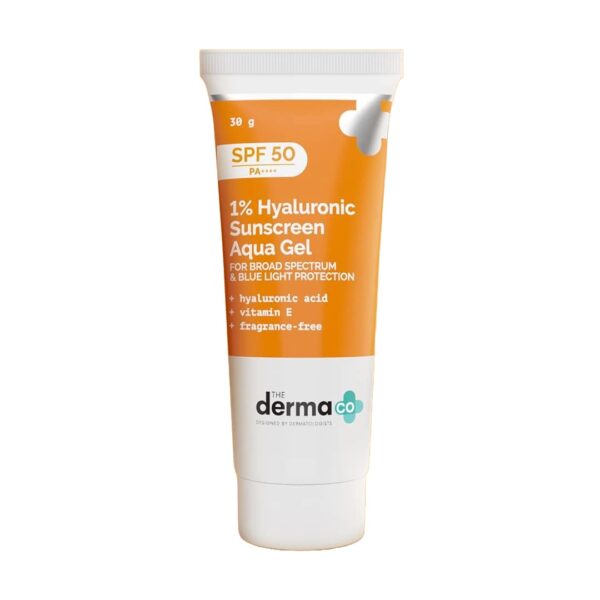
Best Sunscreen PROTECTS AGAINST BLUE LIGHT: Blue light, a type of high-energy visible light is emitted by several electronic devices. The blue light from these devices not only disrupts our sleep cycle but also damages our skin significantly. Best sunscreen This is why we bring you 1% Hyaluronic Sunscreen Aqua Gel with Vitamin E that protects your skin from not only the sun but also screens. Here’s your skin’s new BFF that keeps it healthy and damage-free. Best sunscreen
Best Sunscreen
Best sunscreen POWERED WITH 5 UV FILTERS: Let’s take sun protection to the next level with our sunscreen powered with 5 efficacious UV filters that keep UVA & UVB rays away like a pro!
Best sunscreen NON-GREASY & FRAGRANCE-FREE: Say goodbye to the greasy and oily finish of typical sunscreens. The Derma Co. 1% Hyaluronic Sunscreen Aqua Gel is fragrance-free and doesn’t clog your pores. The presence of 1% concentration of Hyaluronic Acid in this sunscreen makes it quick to absorb and provides intense hydration to the skin. Extremely lightweight in nature, the sunscreen dissolves like water, hence the name ‘Aqua Gel’. Best sunscreen
Best sunscreen EASY-TO-CARRY TRAVEL PACK: Your favorite sunscreen is now in an easy-to-carry travel pack that lets your skin stay sun protected by guarding against UVA & UVB rays!
Reviews
There are no reviews yet.
Be the first to review “the derma hyaluronic sunscreen”Cancel Reply




Reviews
There are no reviews yet.